

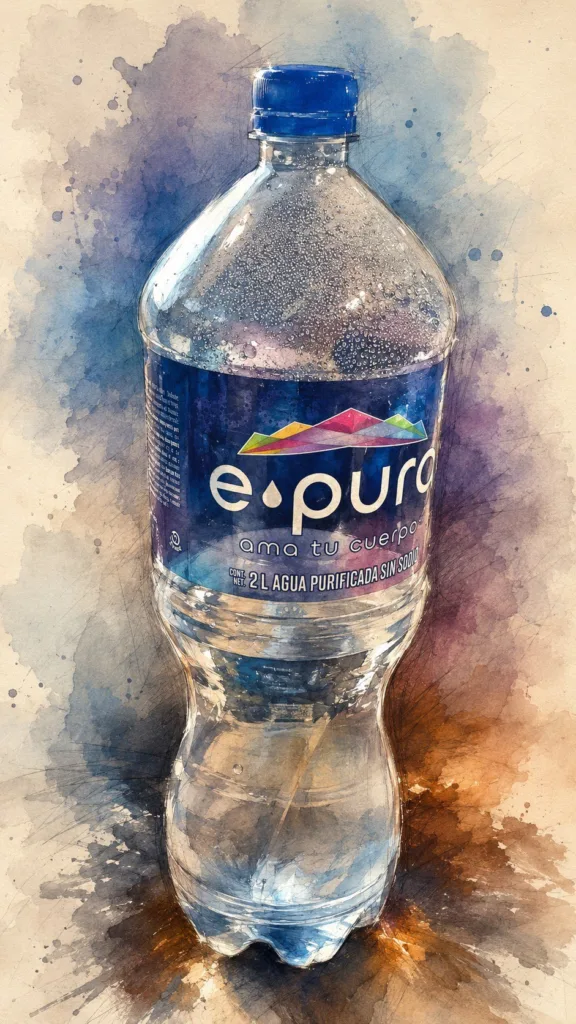
On Wednesday, September 2 we packed a room at Restaurante Hong Kong in
Cancún with business owners, consultants, and people who wanted to stop hearing
about artificial intelligence and start using it. Three hours. Twenty confirmed.
Zero theory slides.
Here’s exactly what we did, step by step, with the exact prompts and the real
images generated in the room. If you were there, you can replay it. If you
weren’t, this is the next best thing.
The rule that set the tone: take out your phone
The first thing I asked, before even introducing myself, was for everyone to
pull out their phone and open ChatGPT. Anyone who didn’t have it installed did it
on the spot.
That’s not a logistics detail; it’s the difference between a workshop and a
talk. For three hours, the room did the work. I taught a mechanic and forty hands
ran it on their own business.
How we structured it
We ran the workshop in short blocks, alternating context and hands-on, because
nobody survives three straight hours of theory:
- Why this is urgent. Kodak invented the digital camera and
shelved it. Blockbuster could have bought Netflix for fifty million and said no.
Nokia owned the whole market. None of them failed for lack of money—they failed
because they were late. - Where your competition is. AI adoption data in Mexican
companies that surprises almost everyone. - Images with ChatGPT. The most hands-on block—and the one
that filled the room with phones in the air. - NotebookLM. Your company already has the content—it’s sitting
unread in your docs. - Marketing and sales with AI. The three perennial pain points
and what actually changes.
The bottle test
We started with the simplest thing within reach: a water bottle on a
table. Phone photo, ceiling light, zero setup. This one:

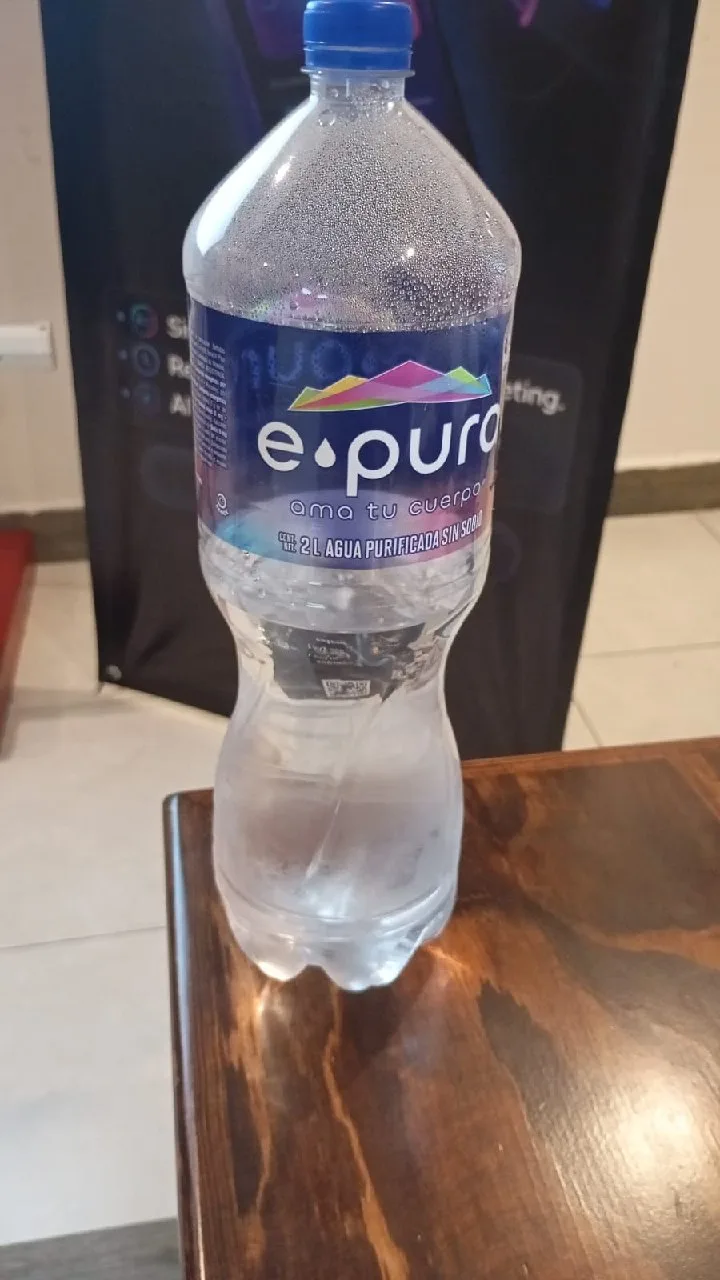
Then a single command: /artistic. That’s it. And this came out:

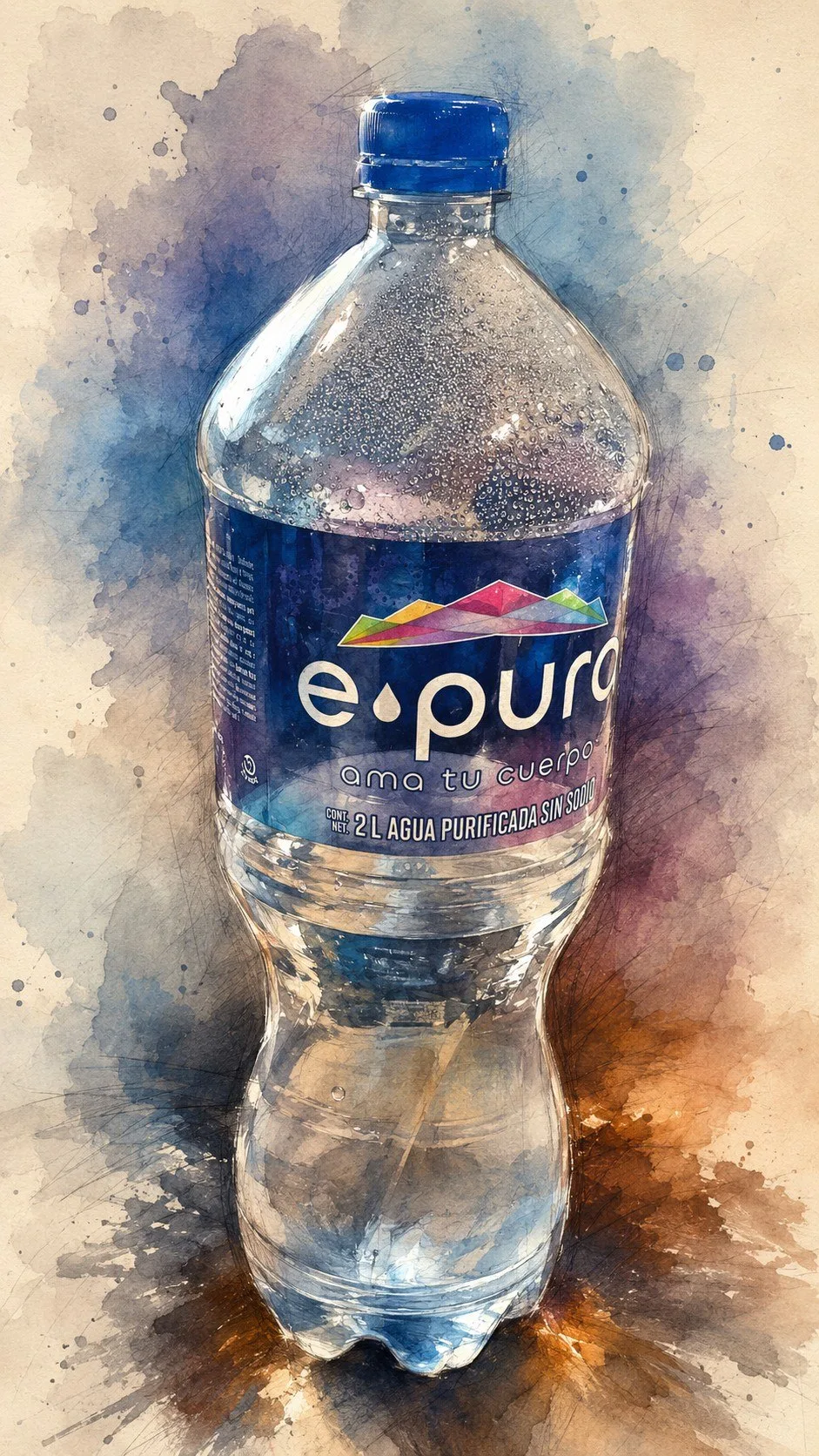
Notice what matters: the label is still legible and the logo is
intact. It’s not a filter that smears the brand; it’s a reinterpretation
that respects it. That’s what separates a toy from a tool you can use for a
client.
The conversation that followed in the room was the good one: how many products
you’ve shot on your phone and tossed because there wasn’t a budget for a
session.
A professional headshot from a selfie
The second exercise hit a different nerve, because almost nobody has a decent
photo for LinkedIn. We started from a regular selfie and used this prompt:
Create a professional profile photo in
corporate portrait style: clean, neutral background, soft lighting, front-facing
pose slightly angled, confident and approachable expression, formal or business
casual attire, crisp focus on face and shoulders.


Studio backdrop, soft light, blazer and shirt. From a selfie. Copy it as-is and
swap the wardrobe if you want a different vibe.
The trick almost nobody knows: ask for an image’s blueprint
Here’s where the block got serious. When you see an image that works—a product
shot, a cover, a fashion editorial—you don’t have to guess how it was made.
Feed it to ChatGPT and ask for it back in JSON: subjects,
framing, lighting, palette, focal length, style.
What you get isn’t a description; it’s a reusable blueprint.
Change one field and regenerate the same aesthetic with different content. That’s
the difference between copying an image and understanding how it’s built.
This was our reference:

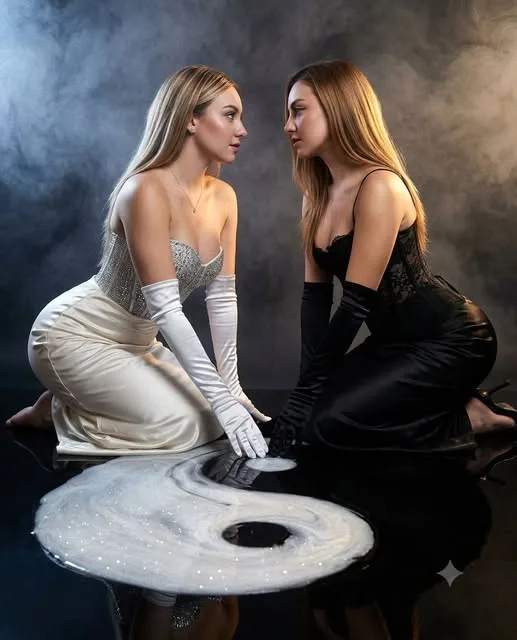
And the blueprint that came out of it—already written as a prompt and with the
subject changed —from two women to two men, using a face photo as reference—was
this. It goes verbatim, in English, exactly as used:
Use image reference for a man face
Photorealistic luxury fine-art fashion editorial portrait of two elegant adult
men kneeling face-to-face on a glossy black reflective floor. The blonde man wears
a sophisticated white satin evening gown with a shimmering silver-gray corset
bodice, long white opera gloves and a delicate necklace. The brunette man wears a
fitted black satin evening gown with an intricate black lace corset bodice and long
black opera gloves. They are positioned symmetrically, very close to each other,
looking intensely and calmly into each other’s eyes, creating a powerful visual
representation of duality and balance. Their gloved hands rest near a large
abstract yin-yang symbol made from flowing white and black liquid paint on the
reflective floor. The liquid forms an organic swirling circular shape with a dark
center, resembling a sophisticated artistic interpretation of the yin-yang
symbol.Dark cinematic studio environment with atmospheric smoke: cool blue-gray mist
illuminating the left side and warm golden-brown mist illuminating the right side.
Soft directional cinematic lighting, subtle rim lighting around the hair, deep
shadows, controlled highlights, luxurious atmosphere, dramatic contrast. Highly
reflective black floor producing elegant mirror-like reflections of the men,
dresses and liquid symbol. Sophisticated composition, balanced symmetry, 85mm
portrait photography, shallow depth of field, realistic skin texture, detailed
hair, satin fabric, lace and liquid paint, high dynamic range, ultra-detailed,
premium fashion magazine aesthetic, fine-art photography, photorealistic,
cinematic, elegant, mysterious, 4:5 vertical composition.Negative prompt: deformed anatomy, distorted faces, bad
hands, extra fingers, extra limbs, duplicate subjects, blurry faces, plastic skin,
cartoon, anime, illustration, low resolution, flat lighting, excessive saturation,
overexposure, watermark, text, logo, bad reflections, awkward pose.
Look how much of the reference carries over: the mirrored pose, the long
gloves, the glossy black floor, the liquid-paint yin-yang, the cool haze on one
side and warm on the other, the 85 mm, the vertical format. The only thing that
changed was who’s in the scene.
I’M NOT GOING TO SHARE THE RESULT OF THIS EXERCISE
😂🤣😂🤣😂🤣😂
Shit in, shit out.
And that is, seriously, the takeaway from the entire block. The model gives
back the quality you put in. A vague prompt yields a vague image, no matter how
good the tool is. When the result is bad, the problem is almost never on the other
side of the screen.
The 99 commands
The image block relies on a vocabulary almost nobody uses: the words that
control lighting, framing, style and finish. /cinematic,
/goldenhour, /studio, /bokeh,
/shallowdepth.
How to get the 99 commands
They’re free and arrive instantly. Four steps:
- Open the Instagram carousel —
here it is. - Follow the account (@wanderoca). If you don’t follow, Instagram
puts my message in Requests and you won’t even see it. - Comment the word PROMPT. The system automatically sends the
complete list to your direct messages. - Share the post with someone who’ll benefit. We all know
someone wrestling with this.
What people walked away with
Beyond the tools, three ideas that kept coming up during the coffee break:
- You don’t need a production budget to get decent images of
your product. You need to know how to ask for them. - Good references can be deconstructed. Any image you like can
turn into a reusable blueprint. - The tool doesn’t make up for lack of judgment. Shit in, shit
out still rules.
If you want this inside your business
The workshop teaches the mechanics. Embedding it in a company—so content comes
out on its own, campaigns are measured, and WhatsApp replies without someone
babysitting it—is a different job, and it’s what I do.
If you’re interested, message me and we’ll look at your specific case.
Keep reading
- 99 image commands for ChatGPT: the complete list in Spanish — the words that control lighting, framing, style, and finish, sorted by what each one does.
- 16 free AIs to create video: the list with verified links — tools with real free plans to generate images, video, avatars, and raise quality.
- Improving brand visibility with language model optimization — how to show up when people ask an AI instead of searching on Google.
- How to align search traffic with your sales pipeline — so visits stop being a number and start becoming customers.
Versión en español: Lo que hicimos en el taller de IA de Cancún, con los prompts exactos